
At HONICE, quality is our top priority. Since our founding, we have been committed to establishing and implementing the ISO 9001:2015 quality management system. We continuously invest in advanced inspection equipment, AI-driven inspection systems, and a well-trained quality team to ensure every product meets the highest reliability and safety standards. From incoming raw materials to pre-shipment inspection, we strictly follow 27 quality control steps. HONICE has passed multiple international certifications, with products meeting quality, safety, and environmental standards of major global markets.
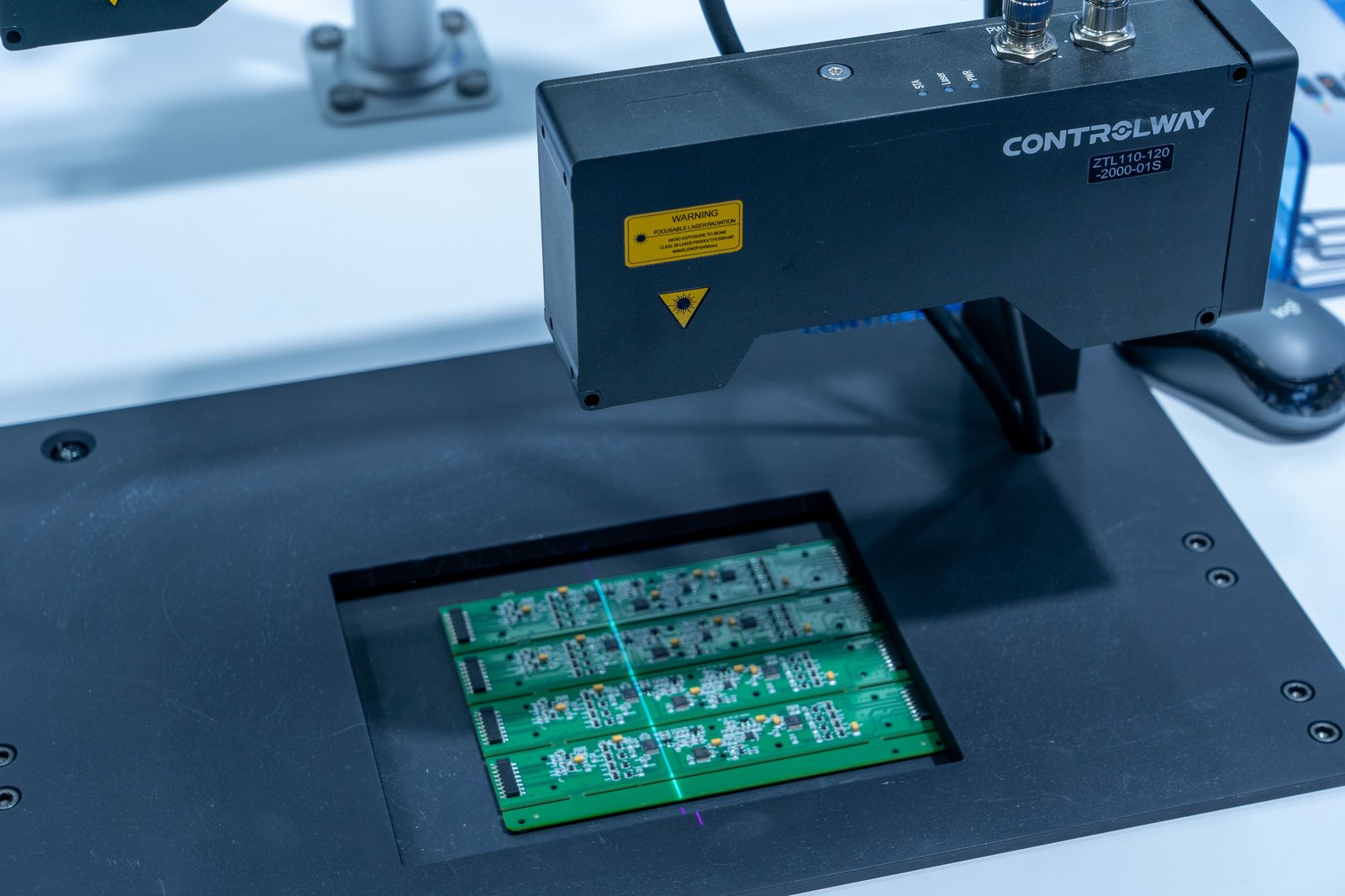
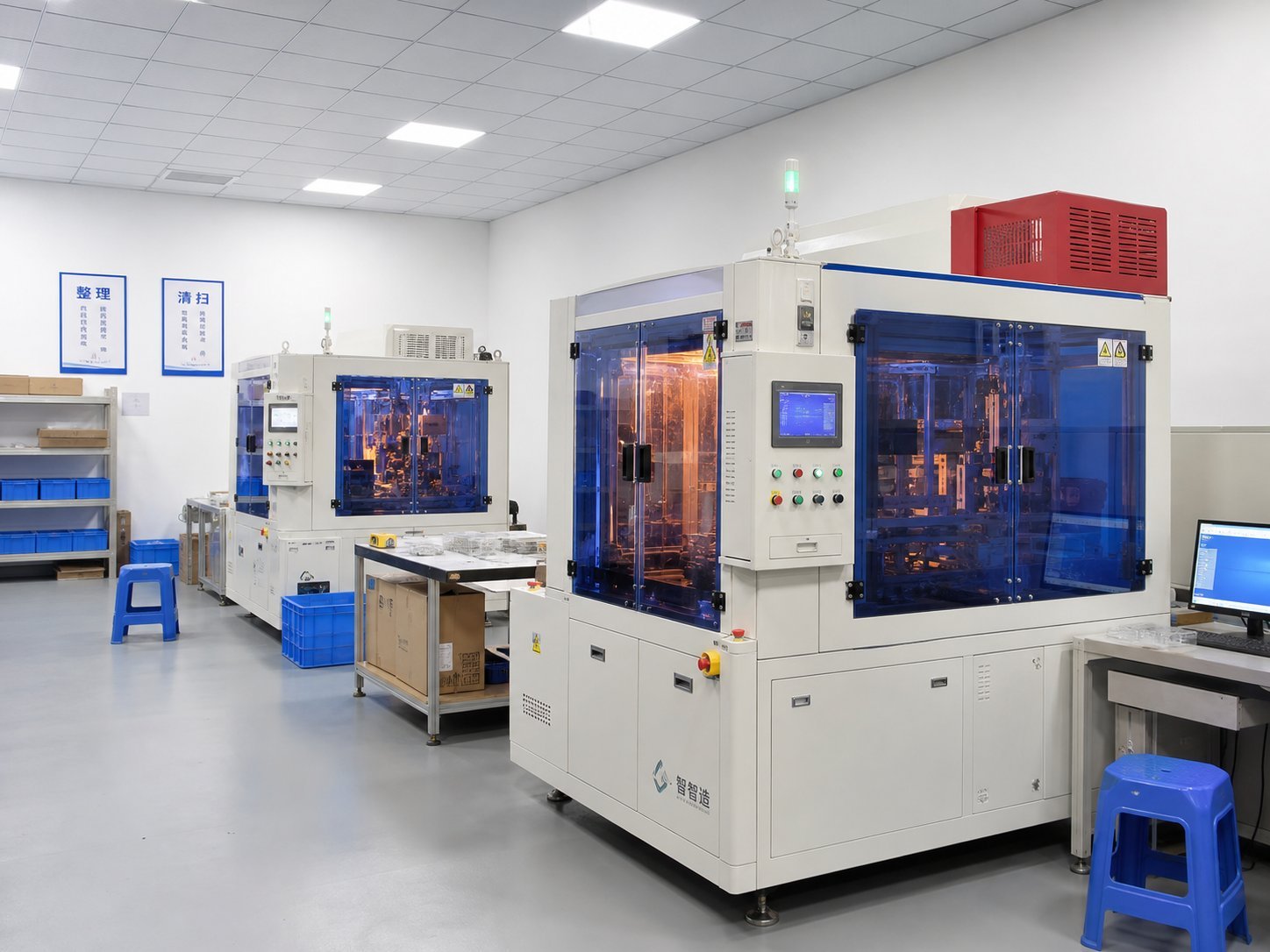
AI machine vision system automatically inspects injection molded parts, assembled components, and printed labels for surface defects. Using deep learning algorithms, it detects scratches, burrs, color deviation, missing material, and assembly offset with 0.01mm precision — individual inspection under 0.5 seconds enables full inspection of every unit. The model continuously improves through data training, driving manufacturing excellence with AI and data analysis.

All incoming material lots undergo strict dual control — sampling and full inspection — covering dimensional measurement, material composition analysis, visual inspection, and functional testing. Equipped with CMM, spectrometers, push-pull gauges, and magnifiers to ensure all materials meet standards upon arrival. Inspection records are fully digitized and archived, achieving complete traceability from source to finished product with uncompromising quality control.
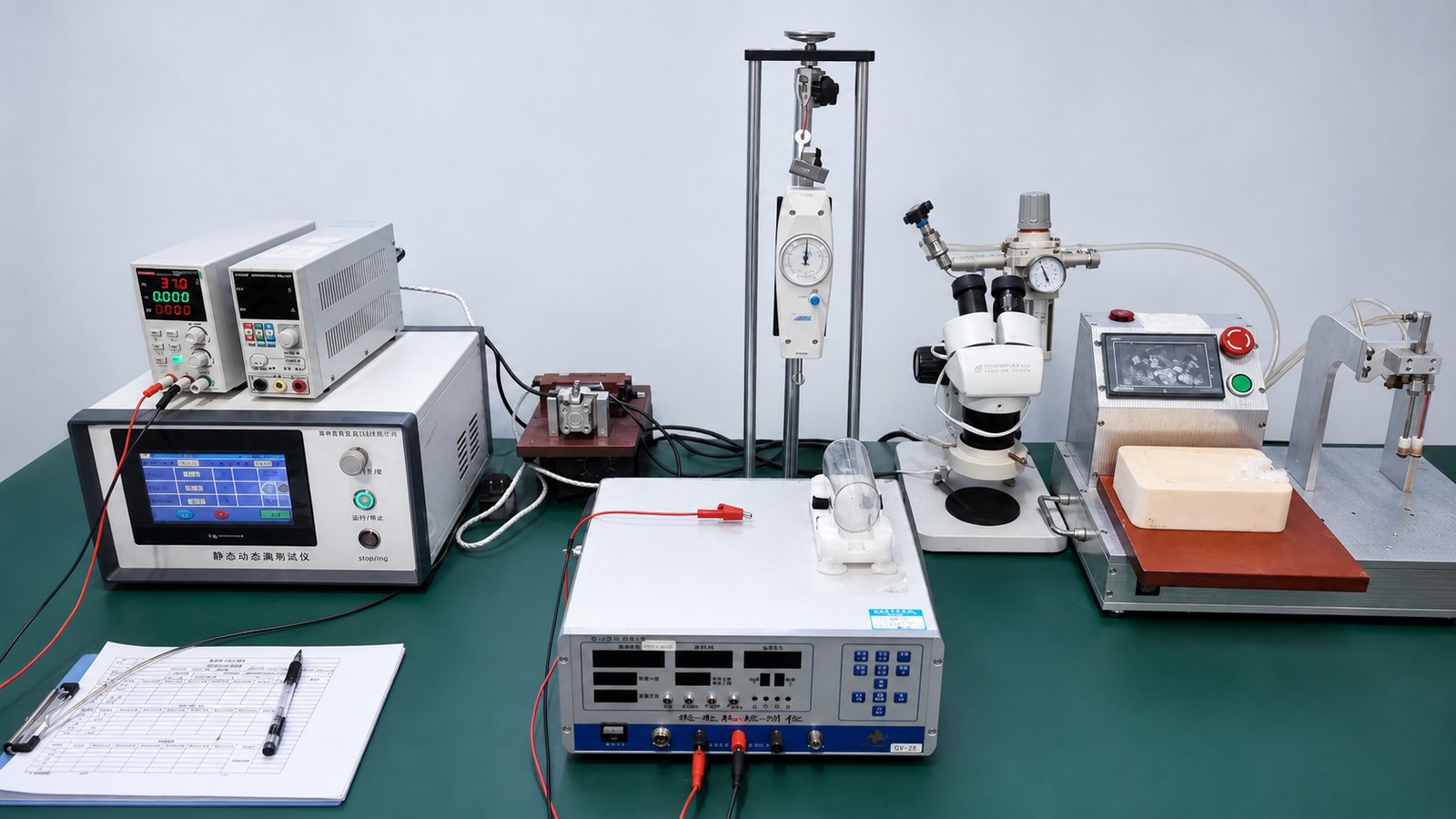
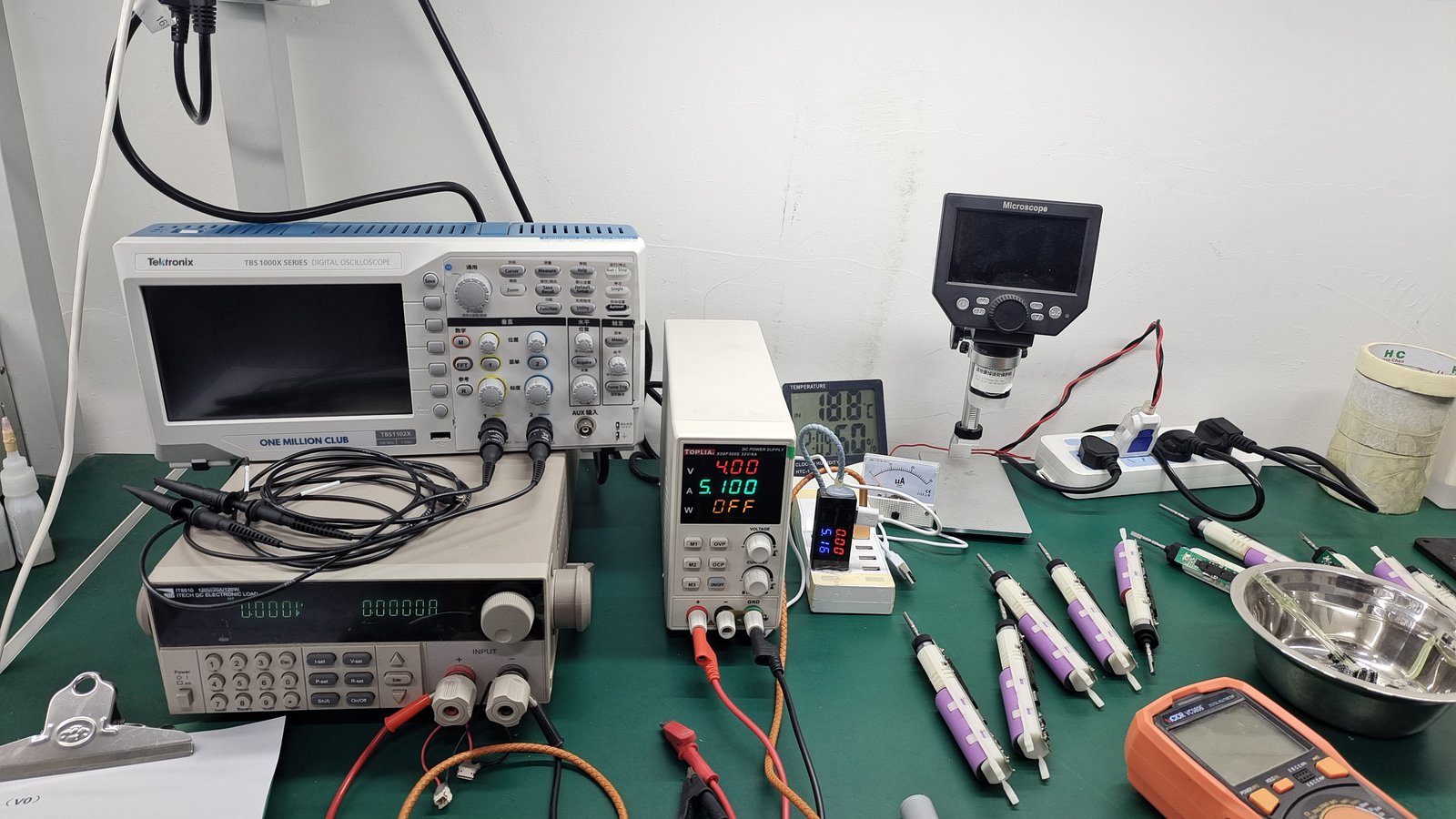
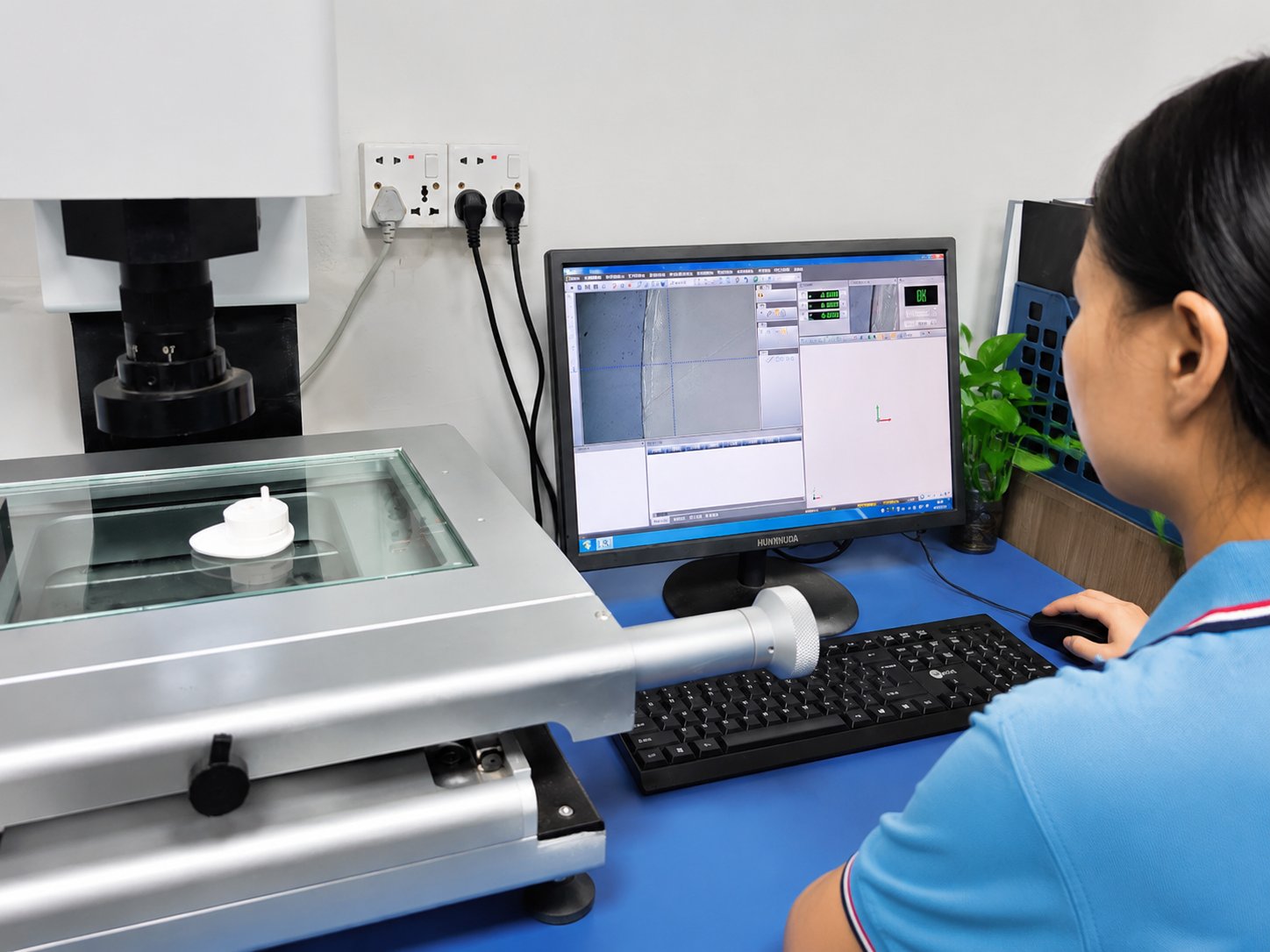
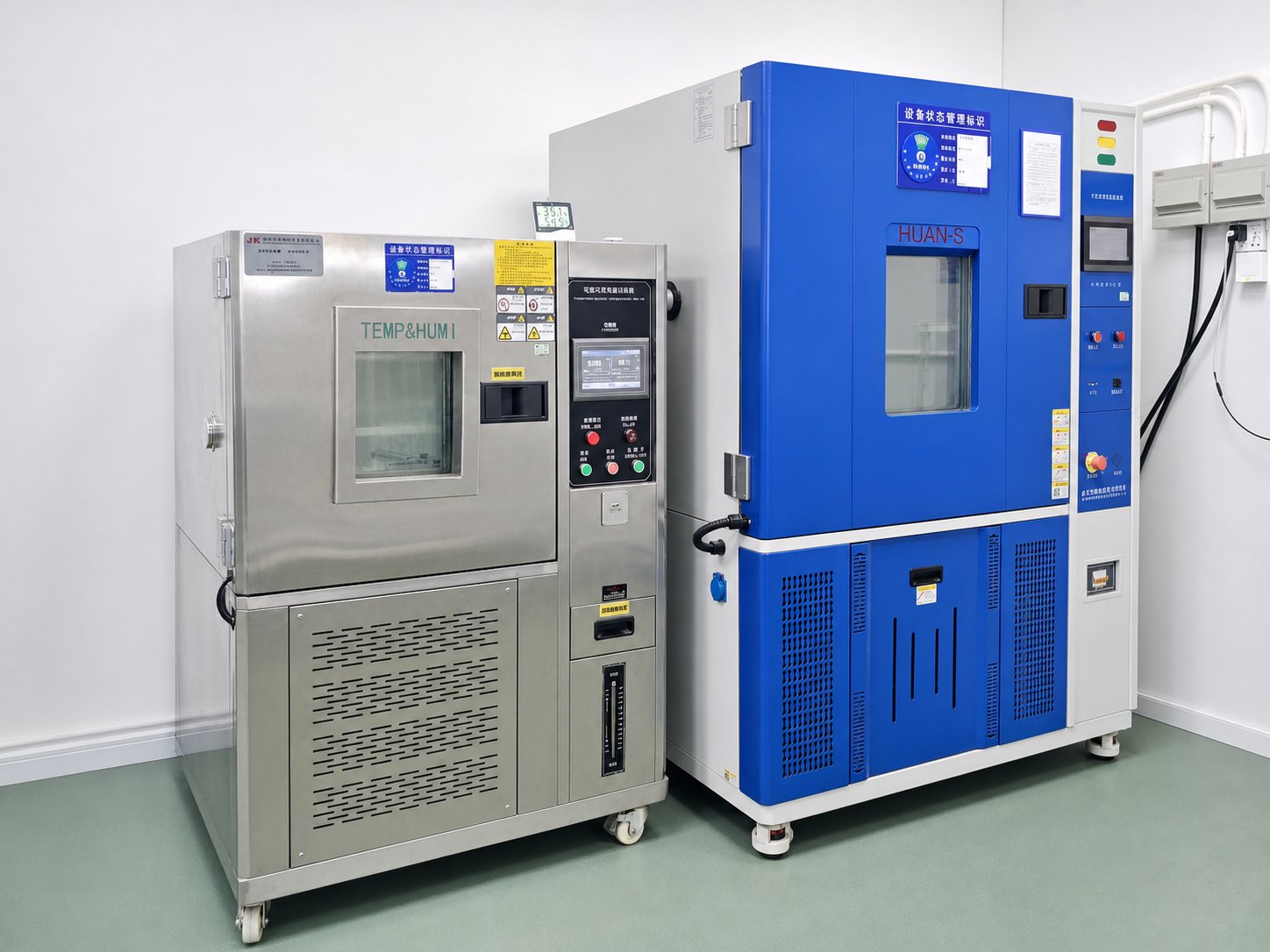
To ensure comprehensive quality control, HONICE moves quality assurance forward to the product development stage. Our DQA lab performs design verification, accelerated life testing, and environmental simulation — including temperature, vibration, salt spray, and noise — ensuring product reliability from the very beginning. Equipped with professional testing instruments, every new product undergoes strict evaluation of materials, structure, and electronics to achieve optimal quality before mass production.
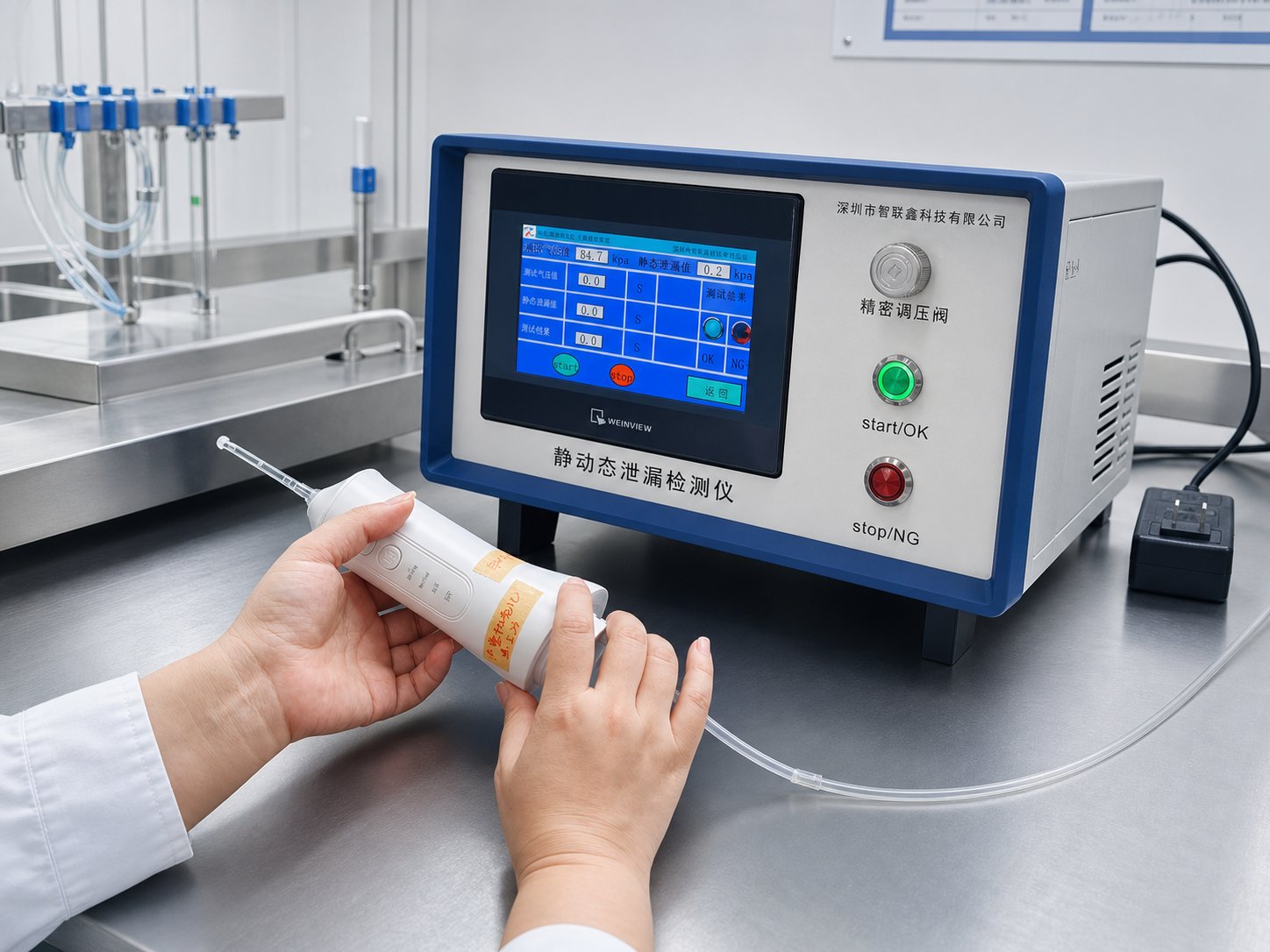
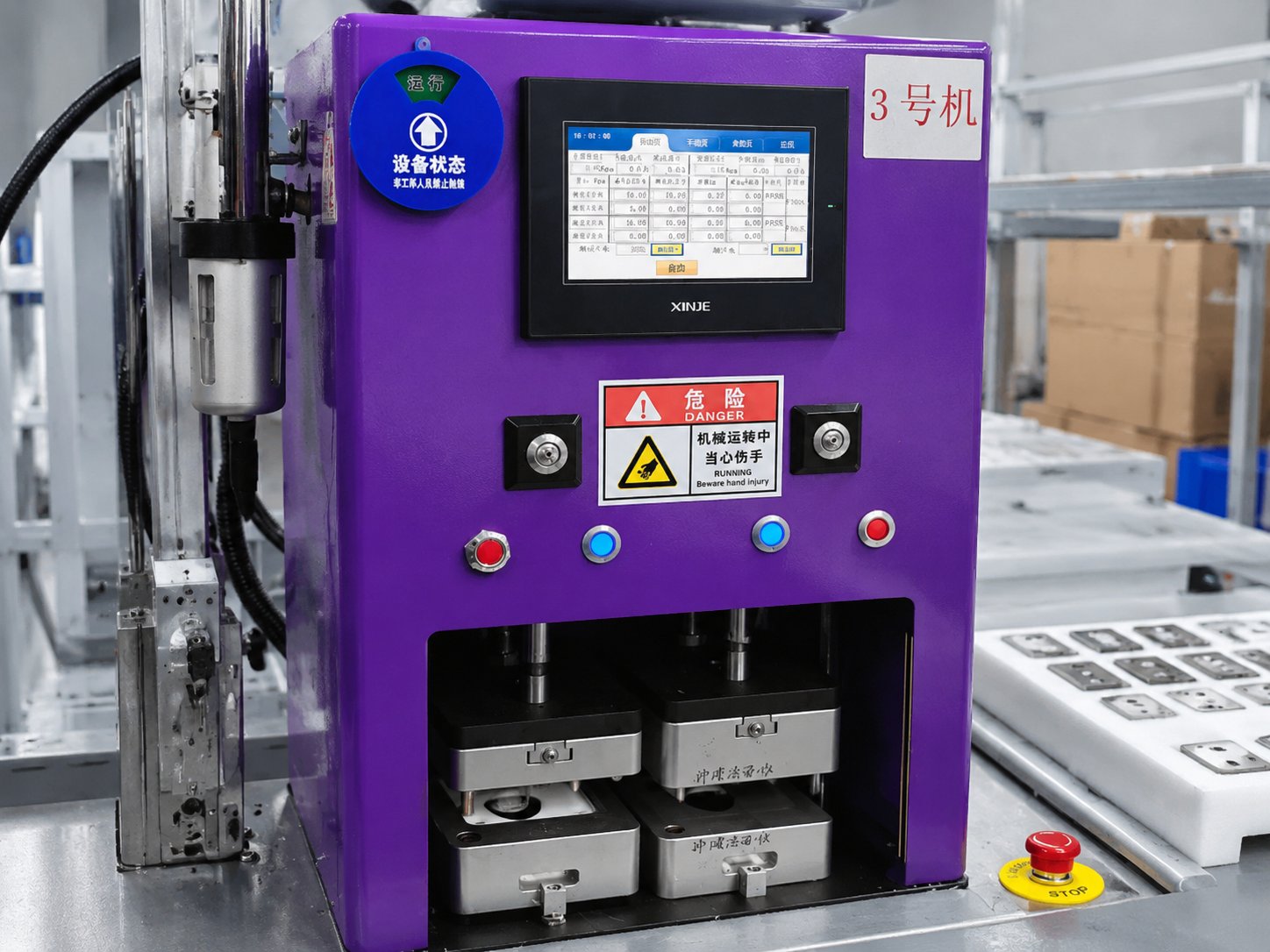
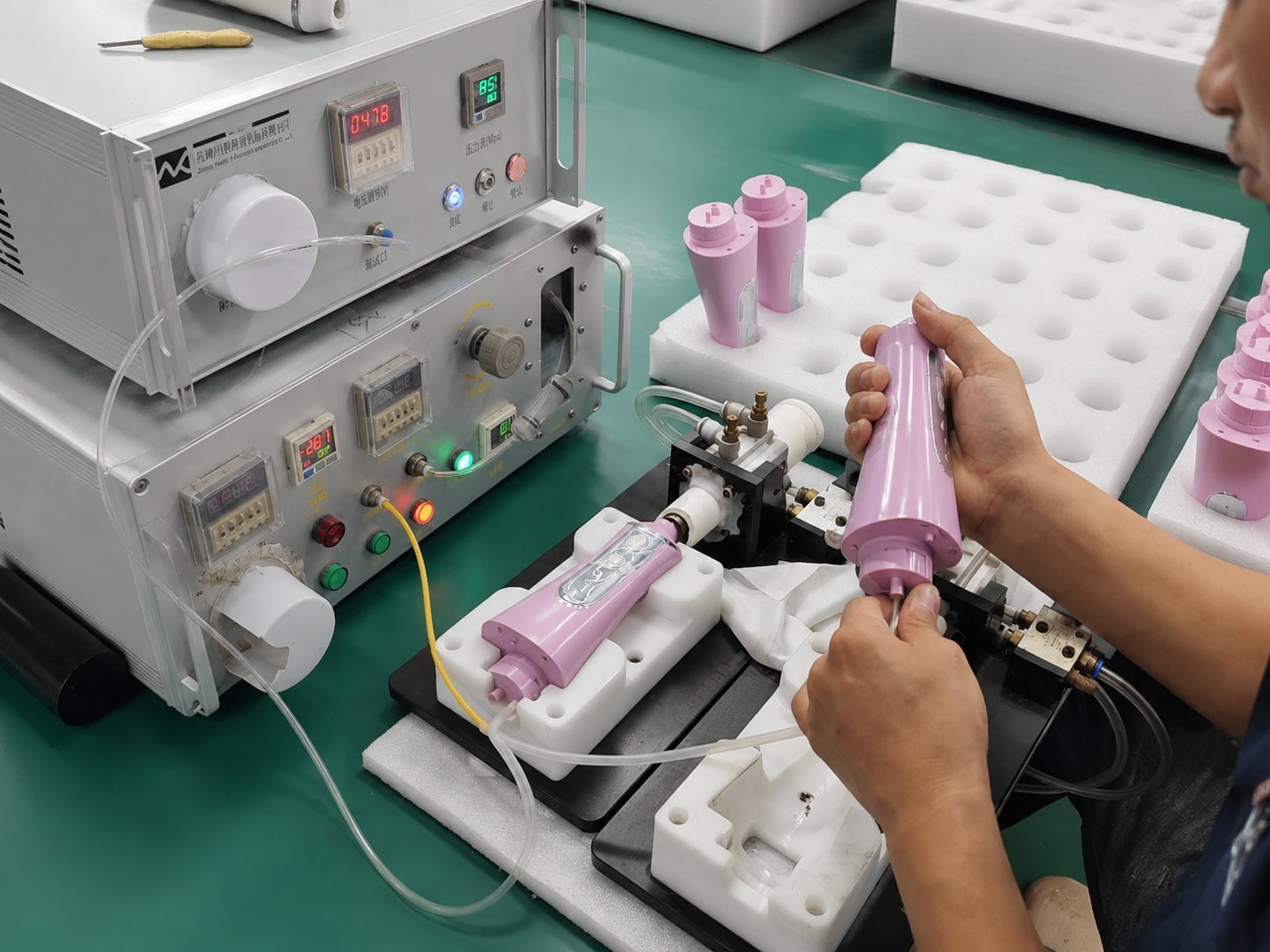
Full-function test stations simulate real usage scenarios, precisely testing pulse frequency, water stability, and peak pressure to ensure consistent performance across every unit. IPX7 waterproof testing submerges units in 1m of water for 30 minutes, evaluating seal rings, ultrasonic welding, and housing reliability. Product noise levels are also strictly measured and controlled. Every product must pass all tests before entering the packaging stage.
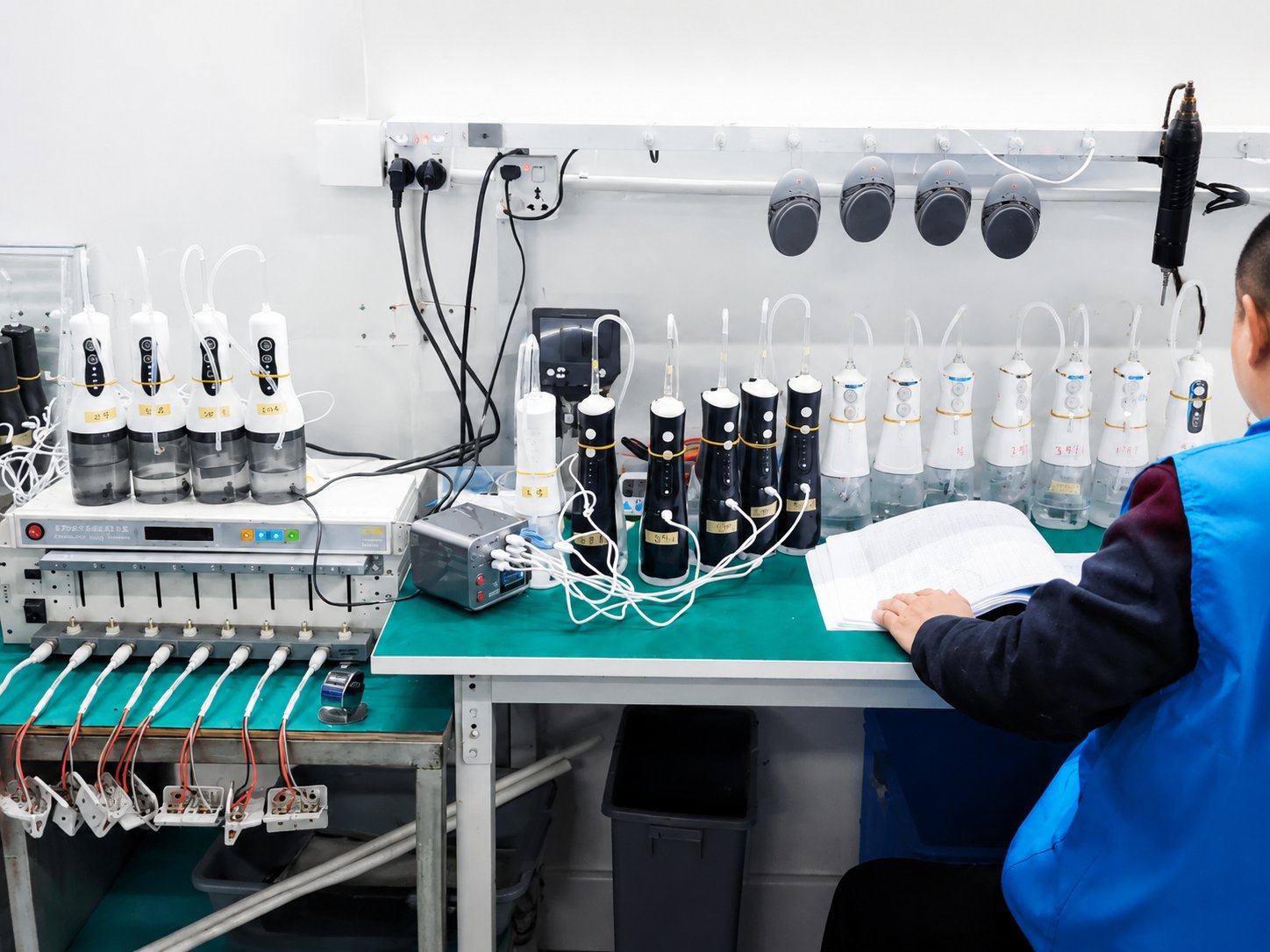
A continuous aging area runs 200+ units simultaneously for 4-8 hours of powered operation to pre-screen early-life failures. Reliability evaluations include button life testing (100,000+ cycles), charge cycling, overcharge/over-discharge protection verification, and cable bend testing. Voltage, current, and temperature data are collected in real time with fault records, driving continuous process optimization and product quality improvement.
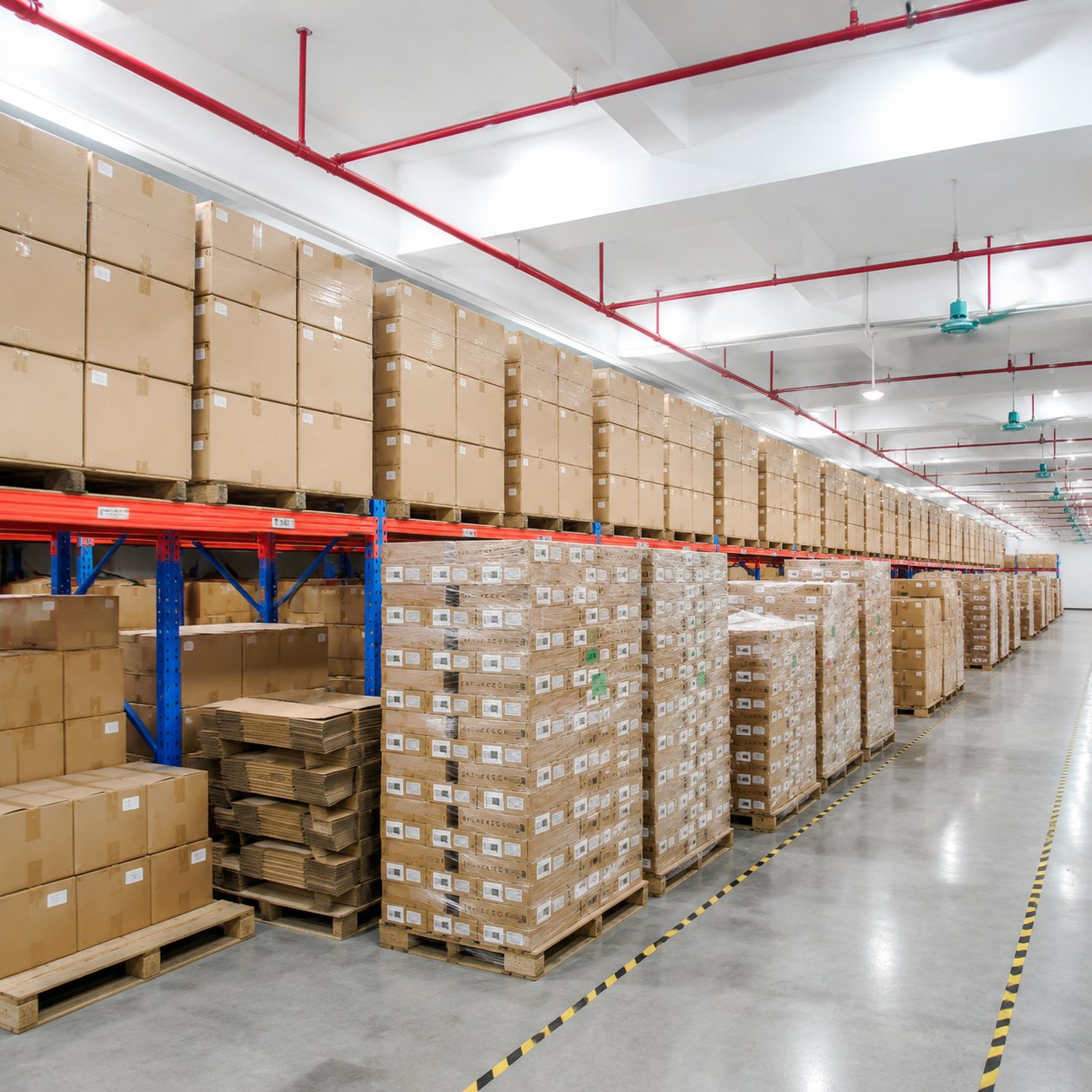
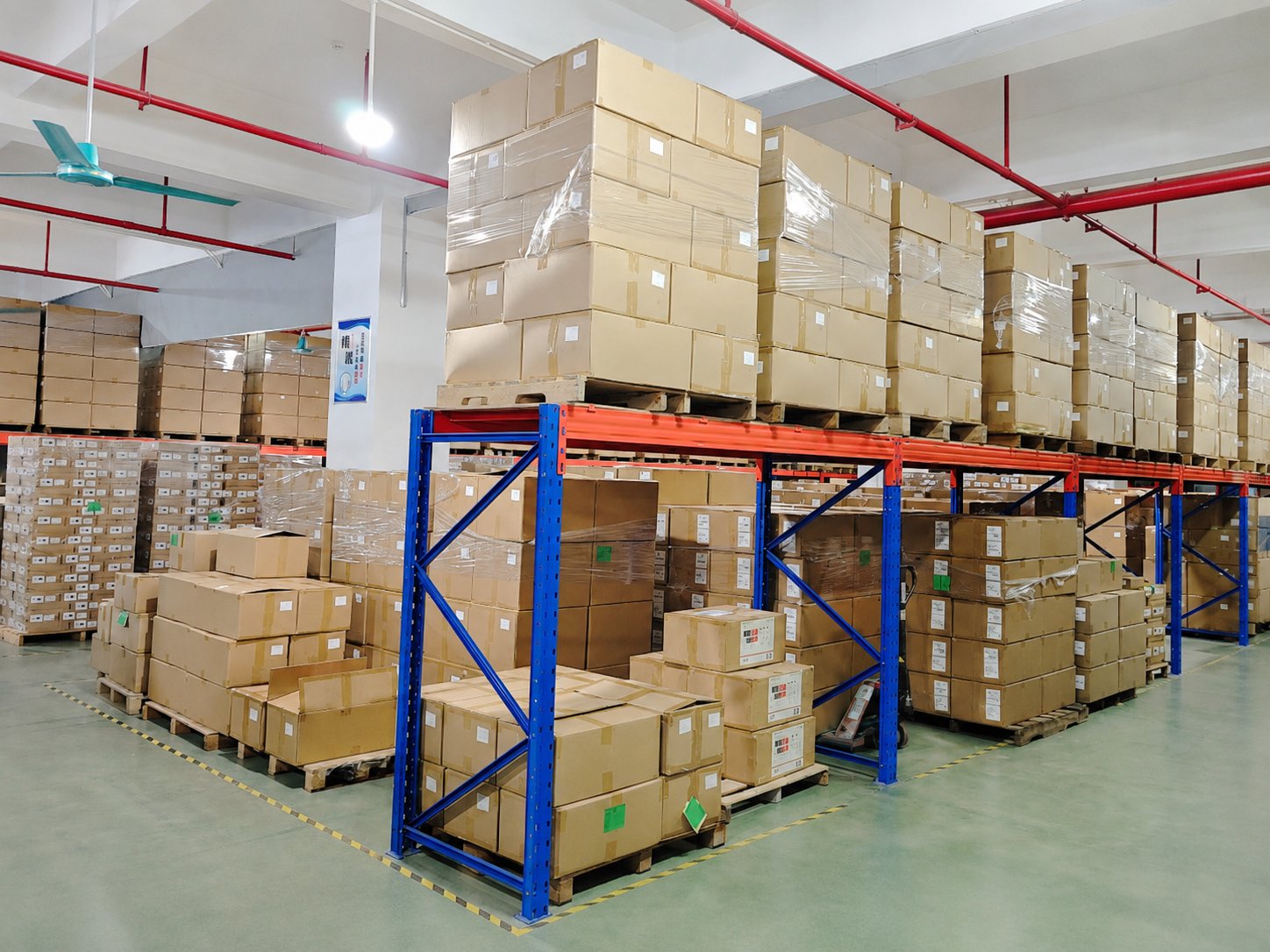

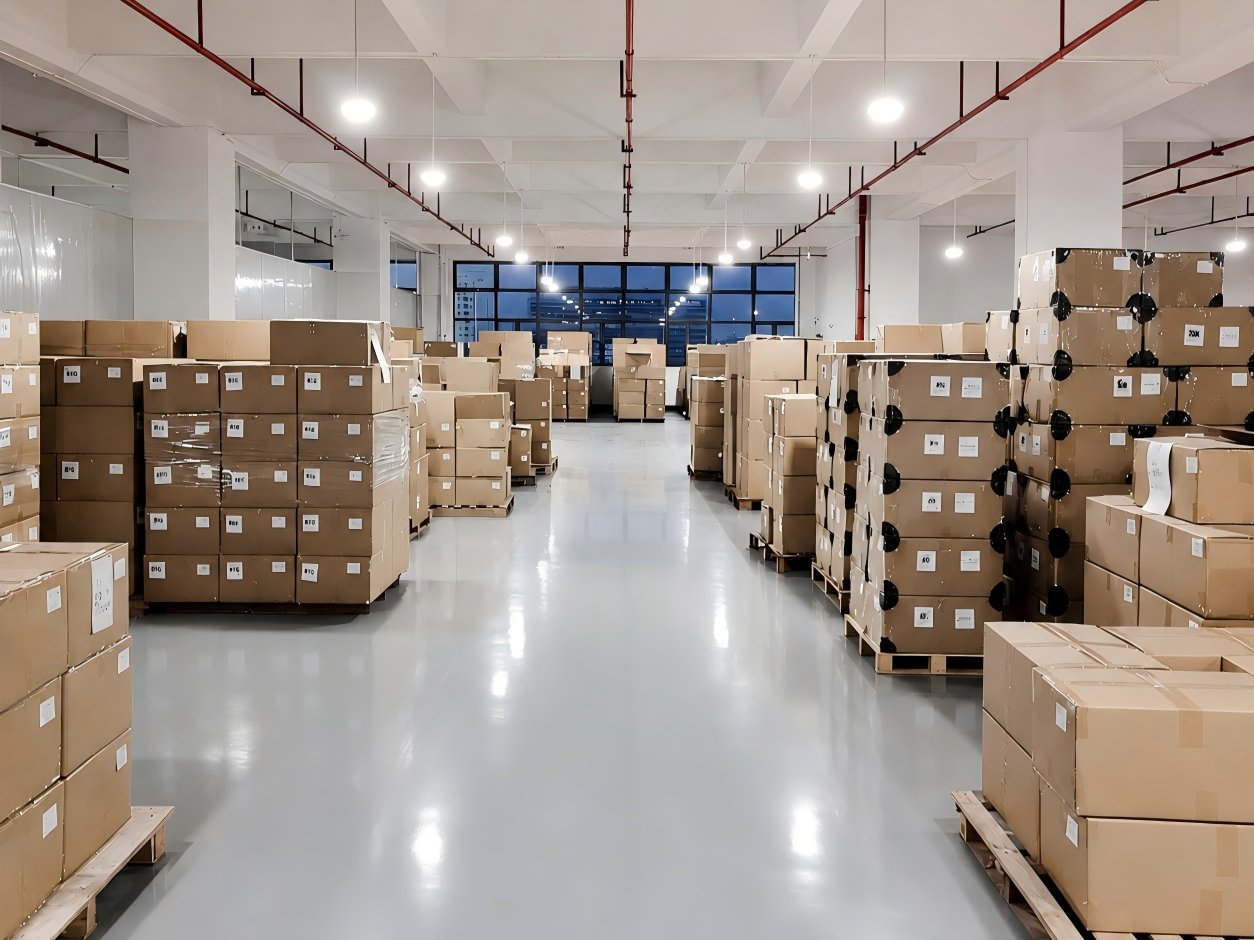
Prior to shipment, AQL=1.0 normal single sampling is applied, inspecting appearance, function, and packaging integrity item by item. CPK process capability analysis is performed on critical indicators such as pulse frequency, water pressure, and noise to ensure batch stability. A fully traceable digital quality platform records every batch from raw material procurement to finished product delivery, evolving from quantity-driven to quality-and-quantity-driven operations with customer-oriented service excellence.